
Nonprofits, time to be less like a unicorn and more like a platypus
Hi everyone, I spent all day frolicking under some cherry blossom trees while it was sunny in Seattle, and then going to a nursery to buy some cherry blossom trees, and then contacting the City to initiate the process to get the permit to plant them in front of my house. Planting ornamental trees is an optimistic gesture, and a declaration of defiance and resistance.
But all that to say, I didn’t spend much time on this blog post, so if you were hoping for something that's “profound” or “makes sense” or “is edited” this week, please temper your expectations.
A while ago, maybe like 15 years, I had a meeting with this one corporate sponsor who, over lunch, told me that his company didn’t like paying for overhead, so I shouldn’t put staff wages or other indirect costs in the grant application to his company. I was so annoyed that I stuffed my face with mango salad to avoid berating this man for his company’s ignorant and toxic stance on overhead.
I went on this blog and complained about how funders and donors expect nonprofit professionals to be like elves or unicorns, magical beings who can operate with few resources. We don’t need pay, or decent chairs, or healthcare, we’re sparkling unicorns!
Anyway, that kind of took off, and for the next several years, the unicorn became kind of an unofficial mascot for the sector. I co-wrote a book called Unicorns Unite: How Nonprofits and Foundations Can Build EPIC Partnerships. I’d get random unicorn-themed gifts, including the stuffed unicorn mascot of Squatty Potty. At a few keynotes, colleagues would wear light-up unicorn horns.
The unicorn is great. Majestic. Magical. Pure of heart. It reflects a lot of our sector and people in it. What’s not to like.
However, there are downsides to this symbol. Unicorns are not real; they exist only in fantasies. And being “pure of heart” and “magical” means funders, donors, and the public have unrealistic expectations on the sector all the time. For example, there’s the pervasive idea that nonprofit professionals shouldn’t be paid well; after all, we should be helping people out of the goodness of our hearts. And there’s also the sector’s propensity for being nice and deferential and conflict-avoidant, even to people and entities who are assholes, the way a sweet and gentle pony would behave.
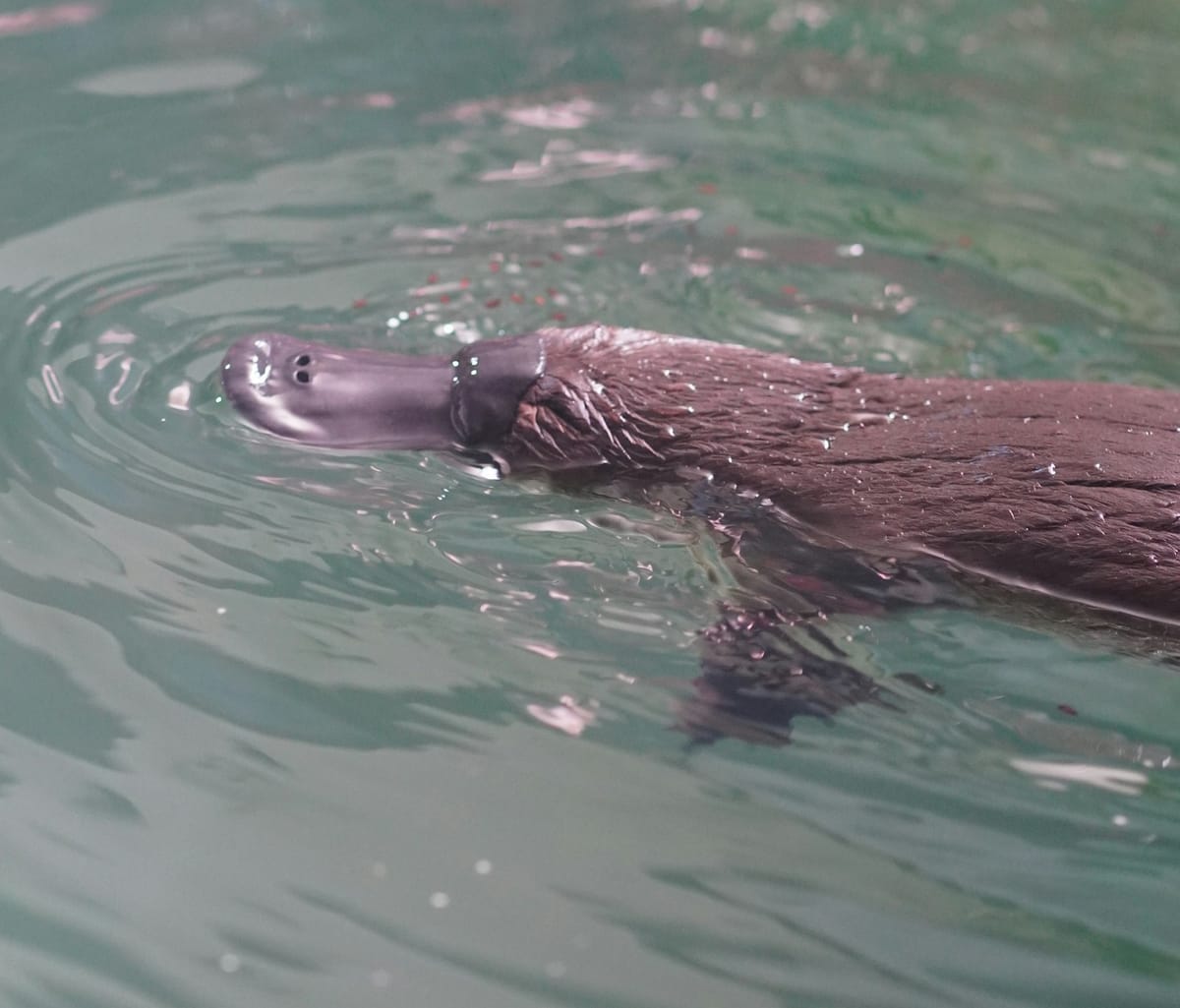
Well, it may be time to say goodbye to the unicorn and adopt a different symbol. I am nominating the platypus. Think about it, the platypus is the perfect representation for nonprofits and what we need to be right now:
It’s a weird combination of all sorts of other creatures: The platypus has a bill that’s shaped like a duck’s, its tail is like a beaver’s, its feet are webbed and are kind of like those of an otter’s. It’s a mammal but it lays eggs. This is a cool but wacky-ass Frankenstein creature. Just like nonprofits! Most organizations are cobbled together with funding from assorted sources, and their operations and philosophies are an amalgamation from varying places like the for-profit sector and government. We’re just as weird as the platypus.
It’s definitely real and not magical: Because it’s so strange, when people first encountered the platypus, they thought they were fake, that someone had glued or sewed the parts of different animals together. By any law of animal physiology, these platypuses (not “platypi,” since the origin of the word is Greek, not Latin) shouldn’t exist. But no, these adorable oddballs are real. Just like nonprofits; we're sometimes too good to be true, being able to do amazing work despite the ridiculous shenanigans we have to endure.
It’s a survivor: Like nonprofits, platypuses are amazing survivors. They have evolved various cool tools. For example, electroreception, where they can use their duck-like bill to sense the electricity caused by the movement of the muscles of animals around them. They use this skill to hunt prey in the water. Also, they don’t have teeth (I guess teeth were considered “overhead” when platypuses where created), so they use gravel to grind their food, very much like how most nonprofits use whatever resources they have to get stuff done.
Before we go deeper down the platypus hole—they are biofluorescent, which means they glow under a blacklight! They make milk but have no nipples! Baby platypuses are called “puggles,” which rivals “bunnies” as the cutest name for a type of baby animal!—the point is, we’re a lot more like platypuses than we are like unicorns.
So, I encourage us to fully embrace our new animal symbol. Sure, we can be weird and Frankensteined-together and amazing at adapting at whatever is thrown at us. But I’m talking more specifically about a trait of the platypus that very few people know about:
It has a venomous barb: Male platypuses have a spur on one of their ankles. That spur is filled with venom that’s strong enough to kill some predators and cause excruciating pain to humans. It’s one of the few mammals that produce venom. (Others include the northern short-tailed shrew, slow lorises, and me when community gatherings run out of snacks).
We’ve been way too nice and docile the past few decades, and it’s not cutting it anymore. Being nice and sweet hasn’t been working too well—we continue struggling with lack of funding, narcissistic donors, irritating grant requirements, and annoying people in general. It’s time to use that venomous spur more often! We've got to be a lot more stabby, y'all! Especially right now, when our sector has been under attack.
I mean, unicorns have horns and they can be stabby too, but their reputation for being wholesome really prevents that. Not so for the platypus! Their spurs are strong enough to support their weight, so once they stab an unlucky person with their spur, they can just hang there, maybe upside down, attached to their victim, chilling while the venom does its work. Inspiring, right?! Let’s be more like that.
Let me know your thoughts, or any other animals we should consider instead as our sector mascot. If anyone needs me, I’ll be drafting up designs of a badass platypus to sell Nonprofit AF merchandise. These cherry blossom trees did not pay for themselves.
--
Vu’s new book, Reimagining Nonprofits and Philanthropy, is out. Order your copy at Elliott Bay Book Company, Barnes and Nobles, or Bookshop. If you’re in the UK, use this version of Bookshop. If you plan to order several copies, use Porchlight for significant bulk discounts. Also, if you're buying 25 copies or more, I'll be glad to call in for a 50-minute discussion; please contact NWBspeaking@gmail.com.


